Picking a retirement account sometimes feels like trying to work out a giant jigsaw puzzle, especially with so many types and rules floating around. There isn’t one perfect solution for everyone, so finding what fits your personal saving style and future plans can make a pretty big difference down the road. I’m going to break down the core types, what you want to look for, and some simple steps for figuring out which one pairs best with your goals.
Understanding Retirement Accounts: Basics Everyone Should Know
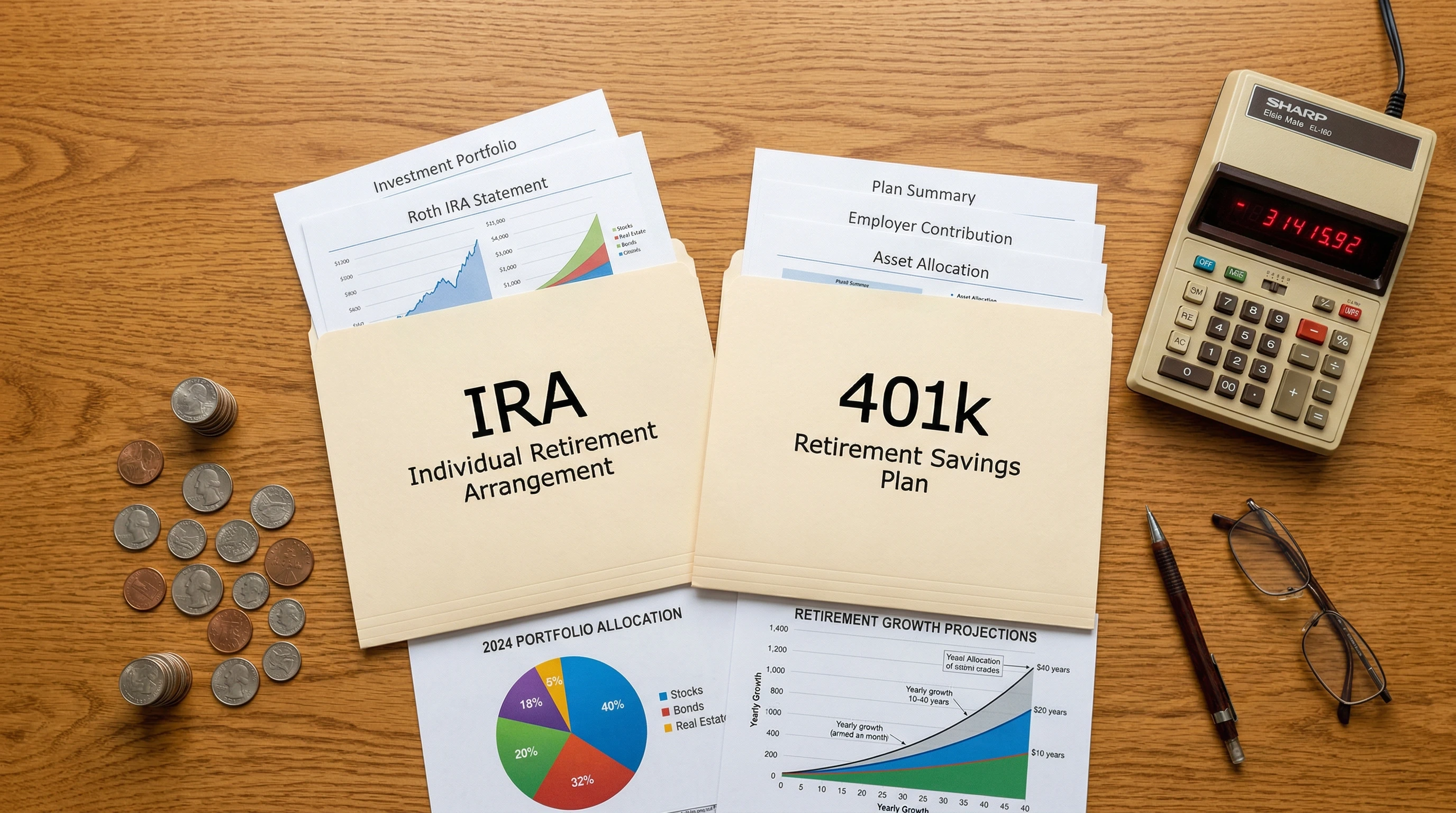
Retirement accounts aren’t just a place to stash cash. They’re accounts with tax benefits—sometimes you pay taxes now, sometimes later—that help your money grow faster than with a plain old savings account. Knowing the basics gives you the tools to compare your options. Here’s a quick peek at the most popular choices:
- 401(k)s: Employer sponsored plans, often with matching contributions.
- Traditional IRA: Individual Retirement Account that’s tax deferred.
- Roth IRA: Lets you pay tax on your money now, so withdrawals in retirement are usually tax-free.
- SEP and SIMPLE IRAs: Designed for self employed folks and small business employees.
All of these accounts come with different limits, perks, and restrictions. Some work better if you’re self employed, others if your employer offers matching, and some are more about tax planning for the long haul.
Getting Started: What To Ask Yourself First
The first big question: are you saving on your own, or is your job offering a plan? If your employer has a 401(k) with a match, that’s a great starting point because it’s basically extra money for your retirement. It’s worth signing up, even if you can only do a small percentage of your paycheck at first.
If you’re doing it solo (maybe you’re a freelancer, side gigger, or your job doesn’t offer a plan), then your best choices are probably an IRA (Individual Retirement Account) or even a SEP IRA, depending on your income. These options let you be in control and work well if your income fluctuates throughout the year.
Ask yourself:
- Do I want to pay taxes on my savings now or later?
- Am I likely to need access to this money before retirement?
- How much can I realistically put in each year?
- Does my employer offer any retirement benefits?
It’s a good idea to think about your risk tolerance, investment experience, and how hands-on you want to be as you make a choice.
Step-by-Step: How To Compare Retirement Account Options
Most people focus on three main things when weighing retirement account choices: tax treatment, contribution limits, and how easy it will be to get to that money if things take an unexpected turn.
- Review contribution limits: Every account type caps how much you can sock away each year. For 2024, a 401(k) lets you put in up to $23,000 if you’re under 50; up to $7,000 in a traditional or Roth IRA. SEP IRAs and SIMPLE IRAs have their own limits and are worth checking out if you’re self employed.
- Check the tax details: Roth accounts make you pay taxes now but let your savings grow tax-free, while pre-tax accounts (like traditional 401(k)s and IRAs) delay the taxes until you pull the money out in retirement. Choosing between these options depends on your current and expected future income levels.
- Look at fees and investment options: Lower fees keep more money in your account. If you’re a hands-on investor, pick a provider with solid investment choices or easy to use options like target date funds.
- Factor in job stability and self employed status: If you’re planning to change jobs often or work for yourself, IRAs or rollovers may smooth the way. A 401(k) is handy if you’ll stick with one employer for a while and want those employer matching dollars.
Make sure to read the fine print. Some accounts have restrictions on what you can invest in, or might have limits related to your employment status.
Things To Watch Out For Before You Open An Account
- Early Withdrawal Penalties: Most retirement accounts charge a 10% penalty if you take out money before age 59½, plus taxes. Exceptions exist (like using funds for a first home or education, in some IRAs), but double check the details so you don’t get surprised later on.
- Required Minimum Distributions (RMDs): Traditional IRAs and 401(k)s make you start taking money out at age 73, even if you don’t need it. Roth IRAs don’t have this rule while you’re alive, which helps if you want your savings to keep growing or plan to leave money to others.
- Income Limits: Roth IRAs only let you contribute if you earn under certain amounts (for 2024, it phases out between $146,000-$161,000 for single filers). If you’re over the limit, look into “backdoor” Roth IRA strategies or stick with a traditional IRA.
- Fees and Maintenance Costs: Tiny differences in account fees can add up to thousands over time. Some accounts charge annual maintenance or investment fees; I recommend picking providers with transparent pricing.
Early Withdrawal Penalties
I know it’s tempting to dip into those funds in an emergency, but retirement accounts are designed for the long haul. Taking money out early usually comes with that 10% penalty, plus taxes if it’s pre-tax money. Some accounts (like Roth IRAs) let you pull out what you put in (contributions, not earnings) penalty free, which gives you more flexibility. Always check the specific account rules.
Required Minimum Distributions (RMDs)
Planning ahead for RMDs matters because these forced withdrawals can bump up your taxable income later. Roth IRAs are one way to sidestep RMDs if you want your investments to grow as long as possible. It’s worth thinking about how you’ll mix and match accounts later for flexibility.
Income Limits and How to Work Around Them
Roth IRAs have income limits, but people often resort to a “backdoor” strategy: contribute to a traditional IRA, then convert it to a Roth. It sounds a little technical, but it’s a well known workaround. Just be sure you read up or ask a tax pro so you don’t get hit with taxes unexpectedly.
Pro Moves: Make the Most of Your Chosen Account
Once you’ve picked your account and set up those automatic contributions, a few smart tweaks can make a difference:
- Automate Your Savings: Set up direct deposit or automatic transfers. With money moving automatically, you’re less likely to skip months and your savings add up over time.
- Increase Contributions With Raises: When you get a raise, bump up your contribution before you get used to the bigger paycheck.
- Diversify Investments: Split your retirement money across stocks, bonds, and maybe real estate investment funds (REITs) to help reduce risk and give your investments more ways to grow.
- Rebalance Regularly: Check your account at least once a year to make sure you’re still on track with your investment mix, especially as you get closer to retirement age.
All of these steps can give a boost to your account and keep your savings plan running smoothly. If you’re not sure how to mix your money between different investments, most 401(k) and IRA providers have model portfolios or target date funds to set you on the right path without a lot of stress.
Common Questions About Retirement Accounts
Retirement questions come up constantly, especially when you’re starting out. Here are some I hear a lot:
Question: Can I have more than one type of retirement account?
Answer: You can have a 401(k) through work and an IRA on your own, which gives you more ways to save. Just watch the IRS contribution limits overall. Some overlap can affect how much you deduct from your taxes, so it’s smart to double check your totals each year.
Question: What if my job doesn’t have a 401(k)?
Answer: Anyone with earned income can open an IRA, and self employed folks can look at SEP or SIMPLE IRAs. These work great for DIY savers and are often simpler, with fewer paperwork requirements than company plans.
Question: Are Roth or Traditional accounts better?
Answer: Roth accounts work well if you expect to be in a higher tax bracket later, since you lock in today’s tax rates. Traditional accounts let you skip the tax today, which may be handy if you want a lower taxable income now. The best choice usually depends on when you expect your taxes to be higher: now or in retirement.
Why Picking the Right Retirement Account Matters
Finding the right retirement account isn’t just about tax breaks or matching contributions. It’s about building a savings system that fits your lifestyle, your income, and the way you want to spend your post-work years. Accounts like a 401(k) make it easier if your workplace offers them, while different IRA types give you more freedom and control over your investments when you’re flying solo.
- Workplace Retirement: 401(k)s, 403(b)s, and similar plans work best if you plan to stay with one employer for a while and tap into those matching funds.
- Solo Savings: IRAs, SEP IRAs, and Roth IRAs put the ball in your court, which is handy for freelancers and entrepreneurs.
- Tax Planning: Spreading savings across both pre-tax (traditional) and after-tax (Roth) accounts provides options for managing your taxable income before and after you retire, which adds flexibility to your strategy.
Sometimes tax laws switch up, and new retirement products pop up. I always recommend checking for updates from the IRS or talking with a certified financial planner before making big moves. Trusted sources, like the IRS and Social Security Administration, provide solid background info if you want to read further or check out more details.
Start narrowing down your options early. Even if you don’t have a ton of extra room in your budget, starting small and bumping up contributions over time is way better than doing nothing at all. The earlier you start, the more time your money has to grow—the difference compounds, and that can make your retirement much easier to enjoy. Sticking with your savings plan, even when life gets busy, can mean the difference between just scraping by and having the freedom to travel, support your family, or do what matters most to you in your retirement years.