If you have a 401(k) at work, making the most of it can really help you build a comfortable retirement. Many people know it’s there but aren’t sure how to squeeze out the full benefit. I’ll break down what you need to know to boost your 401(k) contributions and grow your retirement savings as much as possible.
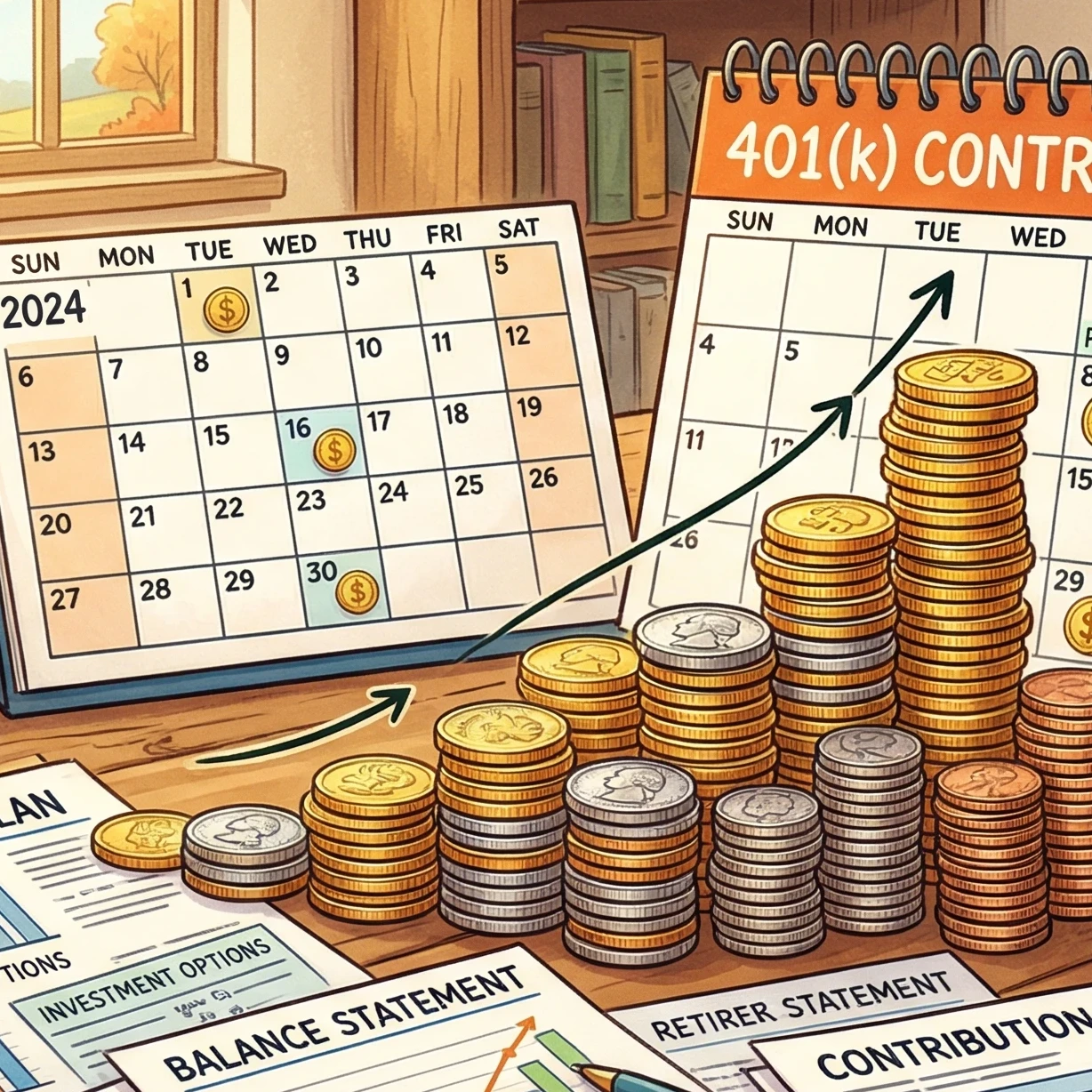
Understanding 401(k) Plans and Why They Matter
401(k) plans are offered by employers as a way to help workers save for retirement. Money goes straight from your paycheck into your account, which is pretty handy for staying consistent. Some employers also kick in extra cash through matching contributions, kind of like free money for your future.
Putting aside money for retirement may seem tough at first, especially if you’ve got other priorities like rent or a mortgage. A 401(k) provides tax advantages that give a boost to how quickly your savings grow, making it a smart choice for many workers. According to the Investment Company Institute, America’s total 401(k) assets were over $7 trillion in 2023, showing just how powerful these accounts can be.
Traditional 401(k)s let you contribute pre-tax money, lowering your taxable income for the year. That not only saves you some money come tax time but also lets your investments grow tax-deferred until you withdraw them. Roth 401(k)s, offered by some employers, allow you to put in after-tax money but take your gains out tax-free later on. Both have real perks; it’s all about finding what fits your goals and tax situation.
How To Boost Your 401(k) Contributions
Maximizing your 401(k) really comes down to making the most of the opportunities the plan offers. Here’s how I recommend approaching it:
- Start Contributing Early: The sooner you start, the more time your money has to grow. Even small amounts add up over decades.
- Increase Contributions Over Time: Bumping up your contribution, even by just 1% a year, like with every raise, can add up big-time down the road.
- Take Full Advantage of Your Employer Match: Always try to contribute enough to get the company match, otherwise, you’re leaving free money on the table.
- Keep an Eye on the Annual Contribution Limit: The IRS updates this every year. For 2024, it’s $23,000 if you’re under 50, and $30,500 if you’re 50 or older, thanks to catch-up contributions.
- Automate Your Savings: Automatic payroll deductions mean you don’t have to think about it each payday, and you’re less likely to spend that money elsewhere. This can make saving feel effortless and steady.
Key Features of 401(k) Plans
Most 401(k) plans have cool features that can make maxing out your saving easier. Here’s a quick rundown of what I’ve found most useful:
- Employer Match: Some jobs match your contributions up to a certain percentage. If you work somewhere that offers this, make sure you find out what the match is and how to qualify for the full amount.
- Automatic Escalation: This feature automatically increases your contributions each year. It’s great if you want to give a boost to your savings without having to remember to do it.
- Roth and Traditional Options: Having both can give you flexibility with your future taxes and withdrawals.
- Wide Range of Investment Choices: Most plans let you pick from various funds, including stocks, bonds, and target-date options to match your style and timeline.
- Loan & Withdrawal Features: Some plans give you the option to borrow from your 401(k) or take hardship withdrawals. While this is mainly for emergencies, it’s worth knowing the rules in case you ever run into a tough spot. Make sure you understand the consequences and always prioritize your future when using these features.
Smart Steps For Maximizing Contributions
- Max Out the Employer Match
If your company matches 3%, 4%, or 5% of your salary, always aim to save at least that much. For example, if you make $60,000 and your match is 5%, that’s an extra $3,000 a year in your account just for contributing yourself. Missing out on the match means you’re skipping easy money. - Raise Your Contribution Rate Annually
When you get a raise, channel part of it straight into your 401(k). If you boost your savings by 1% each year, over time this can significantly increase your retirement nest egg without much impact on your take-home pay. - Take Advantage of Catch-Up Contributions
If you’re 50 or older, you can contribute extra money above the regular annual limit. This is a pretty sweet opportunity for those who need to turbocharge their savings as retirement gets closer. - Revisit Your Contributions After Life Events
Whenever you undergo major life changes, such as marriage, the birth of a child, or changes in employment status, take some time to review your contributions. Consider increasing your amount if possible, as your new situation may allow for more saving or may require adjustments so your overall financial balance remains healthy.
Challenges and Common Pitfalls
Maxing out a 401(k) isn’t something everyone can do easily. Real-life budgets get stretched with bills, emergencies, or just trying to have some fun. Here are obstacles I’ve seen and ways to get around them:
- Bigger Bills or Debt Payments: High student loans, credit card debt, or unexpected costs can make it tough to save more. In some cases, increasing your 401(k) contributions by a small amount each year can make it feel less painful.
- Not Knowing the Plan Features: Sometimes folks don’t realize their plan offers a Roth option, or that the match amount recently changed. It’s worth checking in on your plan details every year to make sure you’re not missing out on valuable options.
- Fearing Market Ups and Downs: It’s pretty normal to be spooked when markets drop. 401(k)s are meant for the long term, so sticking with your plan during downturns really matters. Staying focused on your long-term goals helps you ride out the rough patches and benefit from future growth.
Contribution Limits and How They Work
Each year, the IRS updates how much you can put into your 401(k). For 2024, you can contribute:
- $23,000 if you’re under 50
- $30,500 if you’re 50 or older, thanks to a $7,500 catch-up limit
If you try to put in too much, maybe you switched jobs and both plans took out the max, you’ll want to talk to your HR or plan provider to fix it before tax season. Over-contributions can lead to annoying tax bills for that year.
Investing Wisely Inside Your 401(k)
It’s not just about putting money in, what you do with it is just as important. A lot of people skip over the investment setup and end up in the default setting, which might work but isn’t tailored to their needs. Here’s what I found helpful when choosing investments:
- Diversification: Don’t put all your eggs in one basket. Mix it up with equity funds, bond funds, and maybe a target-date fund that matches up with your estimated retirement year.
- Check on Fees: Some funds have high management costs. Lower-fee index funds keep more of your money working for you.
- Rebalance Regularly: Every year or so, see if your investments still fit your risk tolerance and timeline. Adjust as needed, especially as you get closer to retirement.
What To Consider Before Increasing Your 401(k) Contributions
- Emergency Fund: Before pumping more into your 401(k), make sure you’ve got three to six months’ worth of expenses set aside for surprises.
- Other Goals: Saving for a house down payment, paying down highinterest debt, or supporting family members might also need funding. Try to balance shortterm goals with longterm savings.
- Taxes: More 401(k) savings now might mean bigger withdrawals and tax bills later. If your plan has Roth options, consider splitting your money between traditional and after-tax contributions for more flexibility.
Real-Life Example: How Small Changes Make a Big Impact
Let’s say you make $50,000 a year and can only save 6% into your 401(k) ($3,000/year). If you boost your savings by just 1% each year, you end up saving more than $4,700/year by year five, even before counting raises. With compounding investment growth, these small boosts can add tens of thousands to your retirement fund over the years.
Frequently Asked Questions
Question: What if I can’t afford to max out my 401(k)?
Answer: Just do what you can right now, but try to at least get the full employer match. Even small increases over time pay off. Consider automatic escalations to help nudge yourself upward when you get raises.
Question: Can I withdraw money early from my 401(k)?
Answer: You can, but you’ll face taxes and a 10% early withdrawal penalty in most cases if you’re under 59½. Some exceptions apply for certain hardships, but pulling from retirement savings is usually a last resort.
Question: How do I choose the right investment options?
Answer: Look at your time until retirement and your comfort level with ups and downs. Target-date funds are hassle-free for many, but if you like a hands-on approach, build a mix of stock and bond funds and rebalance once a year. Comparing fees is always smart.
Wrapping Up
Maximizing your 401(k) contributions is one of the best ways to set yourself up for financial freedom later. Small, steady increases, and taking full advantage of things like employer matches and automatic escalation, can really grow your savings over time. Balancing today’s needs with your future is key. If you want more details about 401(k) strategies, Investopedia’s 401(k) Retirement Plan Guide is super useful. Checking in once a year and making small tweaks can keep your retirement plans on track and less stressful.