
Building up an emergency fund before retirement is one of those things that I’ve found brings real peace of mind. Life throws curveballs, and when you’re living on a fixed income, those unexpected expenses feel a lot heavier. Here, I’ll walk you through why an emergency fund is especially helpful for soon-to-be retirees, how much you might want to save, and some practical tips to get your fund set up the right way.
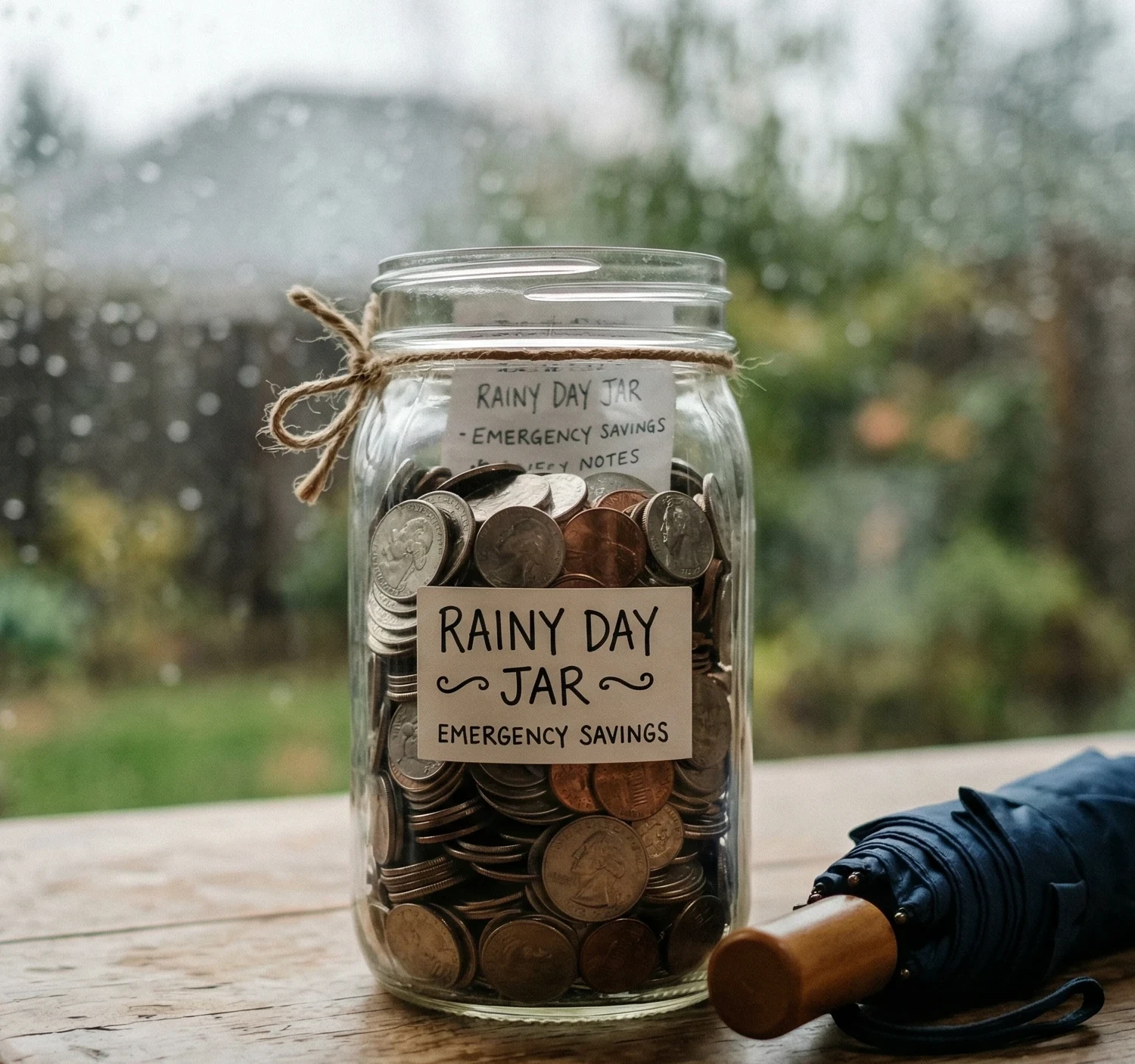
Why an Emergency Fund is Really Important Before Retirement
Retirement might seem like the perfect time to finally relax, but things can pop up that totally blow up a monthly budget. Car repairs, home maintenance, out-of-pocket medical bills, or even helping out family members can come up at any moment. I’ve seen friends who had to tap into their retirement savings accounts for these surprises, and the fees and taxes for early withdrawals aren’t fun to handle.
Some studies show that almost half of retirees have faced major unexpected expenses within their first few years of retirement. Having an emergency fund to act as a financial cushion helps you avoid the need to dip into long term savings or take on extra debt. For retirees, this buffer is especially useful because every dollar spent is a dollar that can’t keep growing in your nest egg.
On top of that, markets go up and down. If you’re relying on selling investments to pay bills, pulling funds during a downturn means you could be selling at a loss. A stocked emergency fund gives you the flexibility to wait things out until investments bounce back, instead of cashing out when times are tough. That added flexibility is a huge mental relief when financial markets get bumpy.
Planning Your Emergency Fund: How Much is Enough?
The exact amount really depends on your specific needs, your monthly expenses, and any health issues or family situations you might need to cover. I usually recommend aiming for three to six months’ worth of living expenses as a starting point. If your income in retirement will come from stable sources like Social Security, pensions, or annuities, you might feel okay with the lower end of that range. If your income depends more on investments, or you have some big health expenses looming, you could go higher. There’s no magic number, but knowing your core expenses helps set a realistic target.
I like to review my basic monthly spending, then look at big, irregular costs that could pop up over the next few years: stuff like new appliances, increased medical bills, or even property taxes jumping up. Planning for these helps shrink the shock when life doesn’t go as planned. Don’t forget to account for inflation, since prices can climb in retirement, changing what you’ll need on hand.
- Stable Income: If most of your cash comes from Social Security or a pension, a smaller fund often works.
- Unpredictable Expenses: If you own a home or have medical needs, beefing up the fund gives you more peace of mind.
- Risk Tolerance: If the thought of a big surprise bill makes you lose sleep, saving extra isn’t a bad idea.
How to Build Your Emergency Fund Before Retirement
If you’re still working or wrapping up your career, adding money to your emergency fund is usually easier than after you’ve retired. Setting aside cash regularly, even if it’s just a modest amount each paycheck, adds up over time. I’ve found that automated transfers work great; what you don’t see, you don’t spend.
- Set a Target: Figure out how many months’ expenses you want to cover. Write that number down. It helps make the goal feel real and attainable, turning a vague idea into a concrete plan.
- Automate Savings: Schedule a recurring transfer into a separate savings account. Treat it like any other monthly bill. Chances are, you’ll miss the money less than expected.
- Cut Out Unnecessary Spending: Finding a few expenses to trim or pause, just for a year or two, can really speed up your savings and move you closer to the finish line.
- Stash Bonuses or Tax Refunds: Whenever you get a windfall, dropping part of it into your emergency fund goes a long way. It’s one of the easiest ways to supercharge your savings with little effort.
It’s also worth checking if your existing savings are a good fit for emergencies. Money you can tap quickly, like in a savings or money market account, works much better than accounts that take days to access or have withdrawal penalties. Fast access matters in a pinch, so be honest about how quickly you could use those funds if needed. Consider setting up online banking so moving money is even more seamless.
Smart Places to Keep Your Emergency Fund
Accessibility is key. Your emergency fund should sit somewhere safe that earns a bit of interest but can be accessed without hoops to jump through. I tend to keep mine in a highyield savings account. Other good options include moneymarket accounts or even a shortterm certificate of deposit (CD) if you won’t need every dollar right away.
Avoid parking these funds in stocks, mutual funds, or anything risky. The point isn’t to make big returns; it’s to know your money is ready when you actually need it. You’re not looking for wild growth here, just steady access and reliability. Insurance company backed products, like some cash value life insurance policies, are sometimes recommended but can be tricky and hard to access quickly. I stick to straightforward savings accounts for emergencies. Also, doublecheck that your accounts are FDIC insured for added security.
- Highyield savings accounts
- Moneymarket accounts
- Shortterm (nopenalty) CDs
Common Retirement Emergencies (and How Your Fund Helps)
I’ve seen a lot of retirees deal with surprise costs they thought wouldn’t appear. Some of the most common issues include:
- Medical or dental expenses that insurance doesn’t cover
- Major home repairs, like HVAC or roof problems
- Helping adult children or family during tough times
- Unexpected travel for family emergencies
- Sudden changes in housing needs, such as needing a ramp or other home modifications for accessibility
Having an emergency fund for these means you’re less likely to rack up credit card debt or sell retirement investments in a down market. Life rarely follows a script, and when obstacles come up, having that fund is a huge relief.
Even less common emergencies, like replacing a car or paying for pet emergencies, can wreak havoc on a fixed budget. By preparing for the unpredictable, you keep your retirement on a more stable footing and maintain financial freedom, regardless of what pops up.
Common Mistakes People Make With Emergency Funds in Retirement
- Relying on credit cards expecting to pay them off quickly, but emergencies sometimes pile up.
- Keeping all savings in one place. Mixing long term investments and emergency savings can get confusing, and it’s tempting to dip into funds meant for other goals.
- Assuming Medicare covers everything. Out of pocket amounts for dental, vision, and hearing can be a real surprise.
- Not adjusting your emergency fund over time. Costs and risks can change in retirement, so the fund size should reflect your current needs and comfort level.
Separating your emergency stash from your investment accounts helps stay organized and keep your future goals on track. Treating the emergency fund as untouchable except for real crises keeps you disciplined. And always remember to double down on reviewing the fund at least once per year.
Tips for Keeping Your Fund in Good Shape During Retirement
I always try to top off my emergency fund if I have to dip into it. Even during retirement, making small, regular contributions when possible helps keep things on track. Reviewing your budget every six months helps make sure your emergency fund actually covers your needs as your spending or health changes.
- Adjust your fund size if your expenses change or inflation increases your costs.
- Keep track of withdrawal reasons, to help identify trends that you could handle better going forward.
- Replenish after any big withdrawal, even if it takes time to rebuild.
- Review your entire emergency savings plan at least annually. Staying sharp this way helps avoid unpleasant surprises down the road.
- If you enter an especially expensive time (like during medical treatments), make a game plan to temporarily boost your savings for extra cushion.
Frequently Asked Questions
How is an emergency fund different from a regular savings account?
Both are savings, but the emergency fund is meant only for true unexpected or urgent expenses. I don’t use it for vacations, gifts, or planned purchases. The separation helps you mentally lock the fund away for only genuine emergencies.
How much should I keep in my emergency fund as I approach retirement?
Most financial pros suggest between three and six months of necessary expenses. More is fine, especially if you have health worries or an unpredictable budget. If you have a partner who’s also retiring, add in their core expenses as well to get a better overall estimate.
Where should I keep my emergency fund?
A highyield savings or moneymarket account gives you access and a bit of interest. Just make sure it’s easy to withdraw if you need it, and that you can get your money quickly in an emergency without jumping through hoops.
Should I build a separate fund just for medical emergencies?
Some people do, especially if they have chronic health conditions or high outofpocket costs. At a minimum, I make sure my emergency fund is big enough to handle a surprise medical bill or insurance deductible, giving you financial breathing room in a difficult time.
Keeping Your Retirement On Track With A Solid Emergency Fund
On a personal note, I’ve found that having a solid emergency fund before I retire isn’t just about protecting my finances; it’s about sleeping better at night. Knowing there’s a cash buffer set aside helps me avoid stress when something breaks or life goes sideways. If you’re getting ready for retirement, or even just thinking about what your future could look like, building up an emergency fund is one of those moves that pays off again and again. Your future self will thank you for planting the seeds of peace of mind long before retirement day arrives.